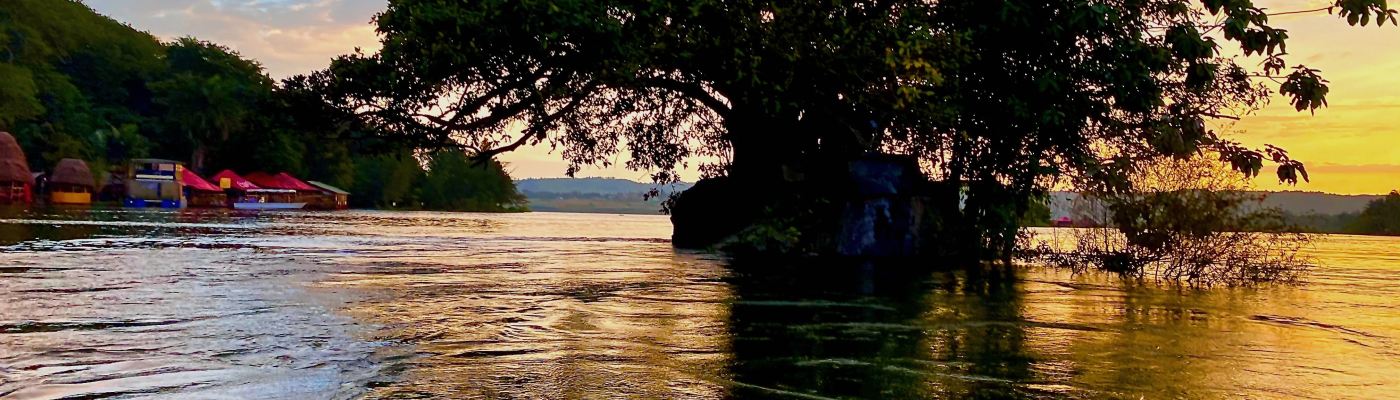
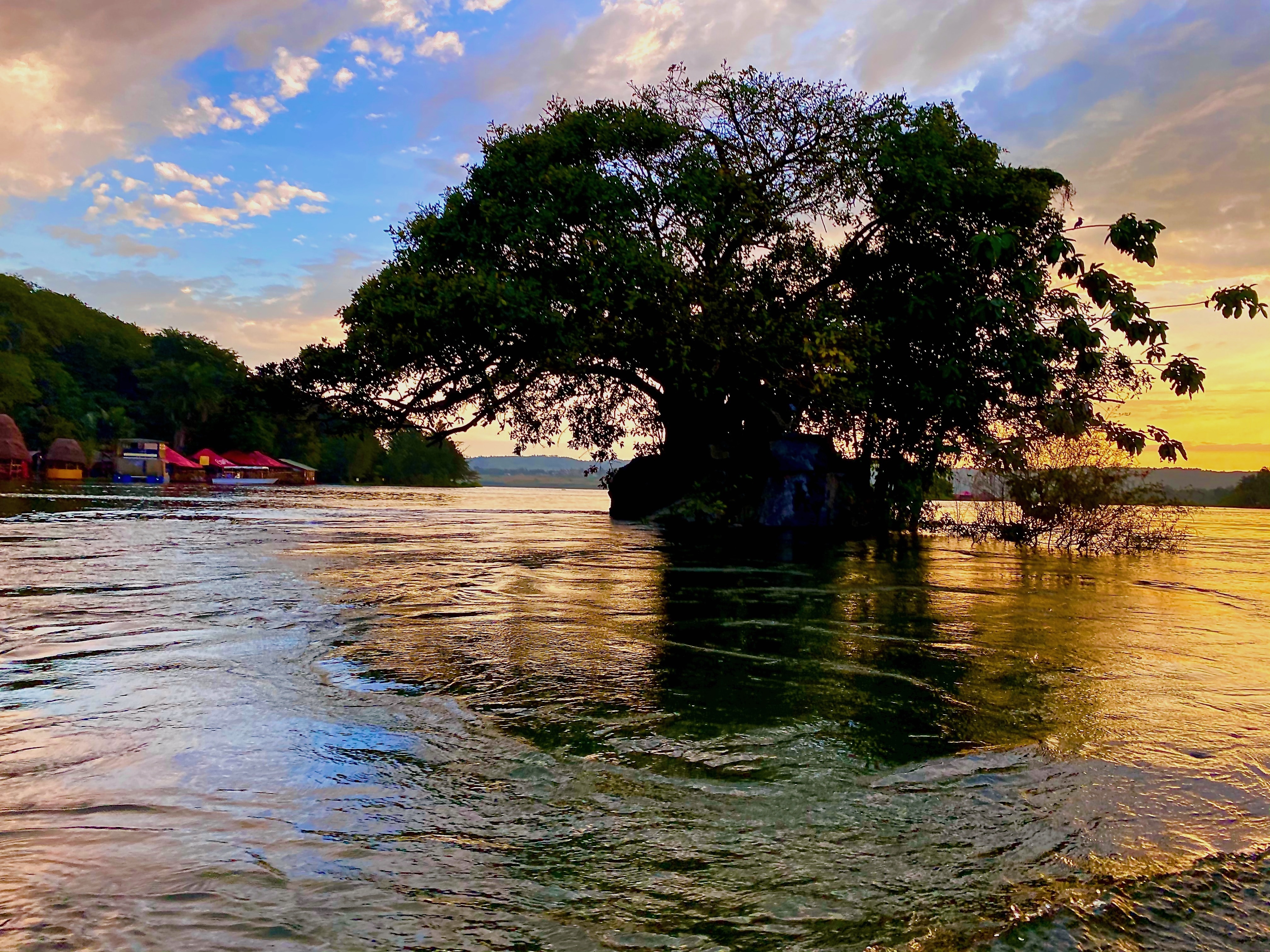
The creativity in you and me may be compared to a great river that overflows its banks on a regular basis making our hearts, minds, bodies, and spirits fertile ground for the outworking of creative inspiration.
Background
In Egypt, it is the season of Waafa-El-Nil or “Fidelity of the Nile,” a period of two weeks starting on August 15 during which the Nile River is recognized and revered annually as a “constant that one’s faith can depend upon.”
The Nile river used to overflow its banks regularly in the summer. The overflow deposited silt rich in minerals and vitamins on the banks of the river that proved a fertile environment for the planting and flourishing of crops. The economic prosperity of the region could be traced directly to the amount of sedimentation or silt deposits that the overflowing river left on its banks.
If in a particular year the flooding and resulting silt deposit was not high enough there would be a famine followed by civil unrest since the potential for planting of crops was directly dependent upon how much the river had risen, and the area (floodplain) that was affected by it. In Egypt the floodplain is 3% of the total land area. On the other hand, overflooding could have adverse affects.
The reason for the flooding of the Nile was believed by Egyptians to be caused by one of the Egyptian gods, Isis, crying because Osiris, her husband, had been slain by Set.
Before Egypt was even an idea, The Nile was bursting its banks regardless of whether anyone was around to witness the awe-inspiring natural event or not.
https://nationaltoday.com/flooding-of-the-nile/
In order to monitor the flooding, the Egyptians developed a Nilometer, which dates back 5000 years. According to archaeological sources, these were a “sacred means of monitoring, communicating and experiencing variations in the behavior of the river.” The Nilometer consisted of a holding tank fed by channels from the river that priests would monitor carefully “and, when it achieved that point, there would be great festivities and floodgates to fields would be opened.”
Channeling the flow
In recent times the Aswan Reservoir has been used a a protective measure to prevent the water level as a result of the flood from rising beyond a certain “danger point.” According to an article in Nature journal, in one instance of its severe flooding the water was distributed across the entire country, about 1500 kilometers, without causing serious damage. The aversion of loss was due to the protective measures carried out by the Ministry of Public Works.
When creativity overflows
The point of all this is to return to the issue of how creativity like a river overflows our hearts and minds and bodies. It overflows into our homes and work and cities and towns, our societies, economies, and philosophies.
Where flooding poses a danger, damming—natural or human-made—can help. In many institutions creativity appears to be “dammed.” This may not wholly be written off as positive or negative without a properly analyzing the purpose and resulting impact of damming upon the surrounding area. Unbridled creativity may have adverse effects, just as too much water kills rather than nourishes crops. However, creativity that nurtures and channels the overflow to spread throughout our structures and systems, to serve, to inspire, and to bring out the best in others is the kind of creativity that serves rather than destroys the creative agenda.
What we would like to see is the proper channeling of creativity, of the overflow in every person. Rightly channelled, we all stand to benefit.
Consider,
Let the River overflow! For us, creatives, its priestly activity; performing our sacred Call of Duty.
References cited:
“The limits of the Nile” by Jason Urbanus, March/April 2023, https://www.archaeology.org/issues/501-2303/features/11203-egypt-thmuis-nilometer
HURST, H. The Nile Flood. Nature 142, 1106–1107 (1938). https://doi.org/10.1038/1421106a0, https://www.nature.com/articles/1421106a0.
National Today, https://nationaltoday.com/flooding-of-the-nile/.
Photo by Melissa Askew on Unsplash. Thank you!

