I am against the image of the starving artist. The starving artist phenomena is an indication of an economy that is bent out of shape and economically inefficient. But what if our poverty is a way to help others perceive the poor as gateways for hope, opportunity, and beauty in this world?
Why would a society punish its people? Society does not give credit to see value in the poor; we are averse to prioritize seeing value in the poor apart from optional opportunities to be generous. But we can change that.
How might we as artists consider and convey “poor” to our audiences? Here are some questions to consider as we create.
# what would it look like to represent the poor as a desirable object? It’s counterintuitive.
# how might we draw attention to a particular trait of the poor or ponder on a particular aspect of the poor? Be immersed in the particulars.
# what deeper insight might people have as they try and comprehend the poor in our artwork? shaping our understanding of, in, with, and by the poor.
# what must people now reconsider, after engaging our work? what do they learn and find insightful?
# how might interaction with the poor via our artwork change people’s behavior and thought patterns, entrenched mindsets about the poor? think, paradigm shift.
# how might we help people to become involved in becoming part of a solution for the poor? What next steps are we offering to those who want to make a difference?
# how might interaction with the artwork invite people into a covenantal engagement with the issue — to commit to bringing about long term success, whatever that might look like for the poor and the participant together?
Consider,
How might we open ourselves to have compassion for the poor in our respective contexts? In fact, let’s start here.
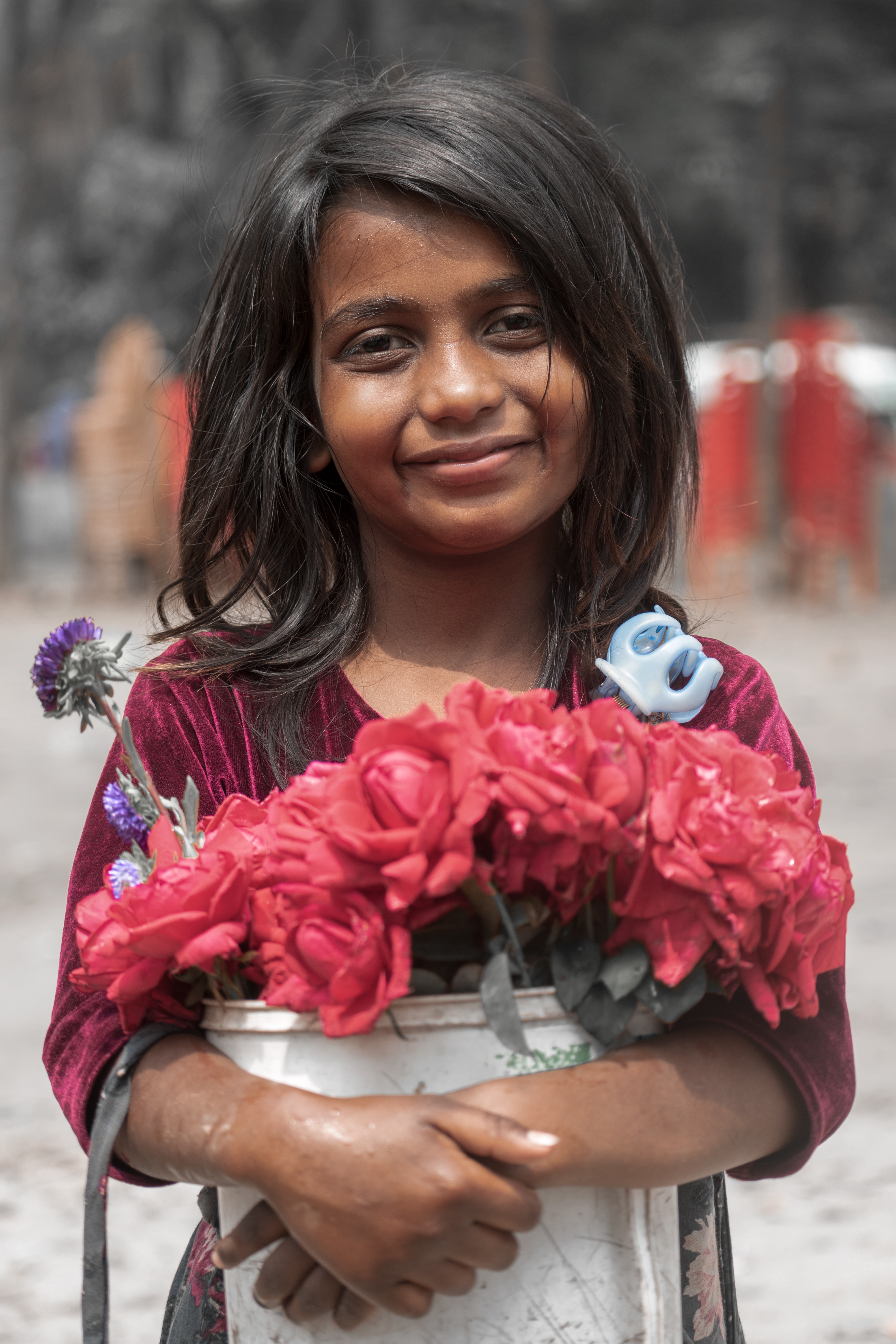
Photo by Shafin Ashraf on Unsplash. Thank you!

