
The corrective measures of formulating and implementing policies that prevent the abuse of the Earth is urgent. COP27 and the recent quasi-violent expressions for climate advocacy in several places around the world and most recently in Europe bring into focus a problem that is greater than popular perceptions of what is described as an environmental problem. Rather, the disruptions in climate change worldwide are evidence of a deeper problem—a naturalistic human disposition for consumption at the cost of the environment and other politically weak or marginalized populations.
Therefore it is all the more reassuring to read that “there is no more ‘us and them’ but one international community working for the common good of our shared planet and humanity” (COP27 Legacy, https://cop27.eg/#/presidency#about).
The underlying “environmental” problem here however is the insufficient naturalistic tendency to see ourselves as mere stewards of the environment, where the environment is understood as an externality that needs to be fixed since it threatens not merely the existence of humanity but the excesses of a deprived humanity.
What if the “us and them” included not merely nations and political economies but also us, plants, trees, birds, animals, indeed the Earth in all our glory, as well as humans?
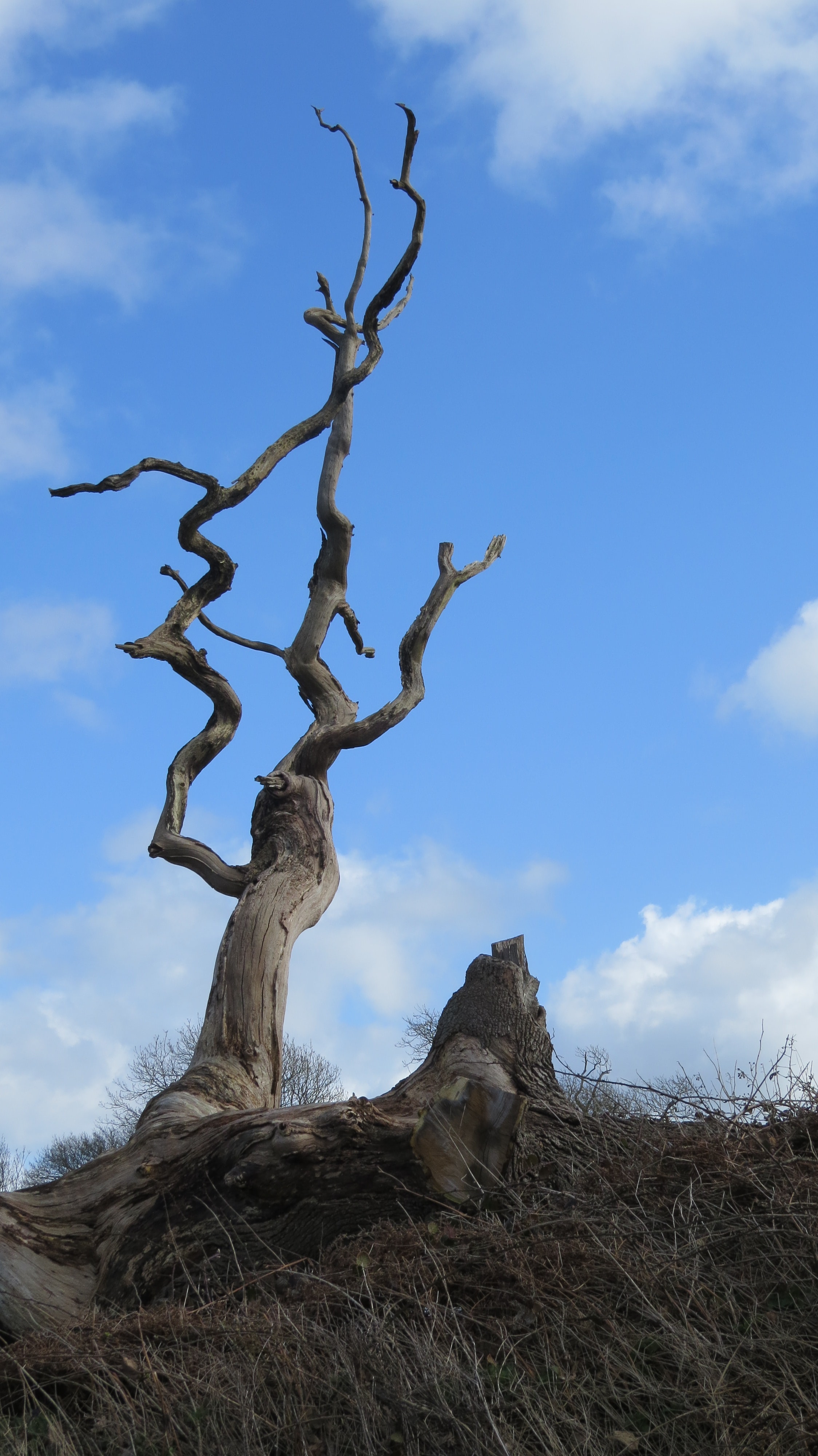
“Hrum, now, well, I am an Ent, or that’s what they call me. Yes, Ent is the word. The Ent, I am, you might say, in your manner of speaking. Fangorn is my name according to some, Treebeard others make it. Treebeard will do.” —The Lord of the Rings, The Two Towers, Book III, Chapter IV: “Treebeard” in https://lotr.fandom.com/wiki/Treebeard
Photo by Andy Watkins on Unsplash. Thank you!

