It’s easy to become disillusioned with oneself and others and for the feeling associated with that perspective to drive our thoughts and behavior. A theory for why TED talks and AA gatherings work is because it puts people in the spotlight, fuels inherent aspirations, and offers a chance at finding community.
But what about life outside the spotlight? Despite our “social construction of reality” and especially when it comes to our individual and collective wellbeing, our sense of self—the core of our individual and collective creative being—must rest anchored in something that doesn’t dissipate or disappear with inconsistencies in popularity ratings. This something is nothing else but the very foundation upon which we build our sense of who we are as people, humans beings, created and creative.
What are the foundations for a creative economy or a consistently creative economy?
Not everything is foundation-worthy.
For our purpose, to use a building metaphor, the role of foundations is that which keeps the walls of a building standing and unshakeable in times of crises.
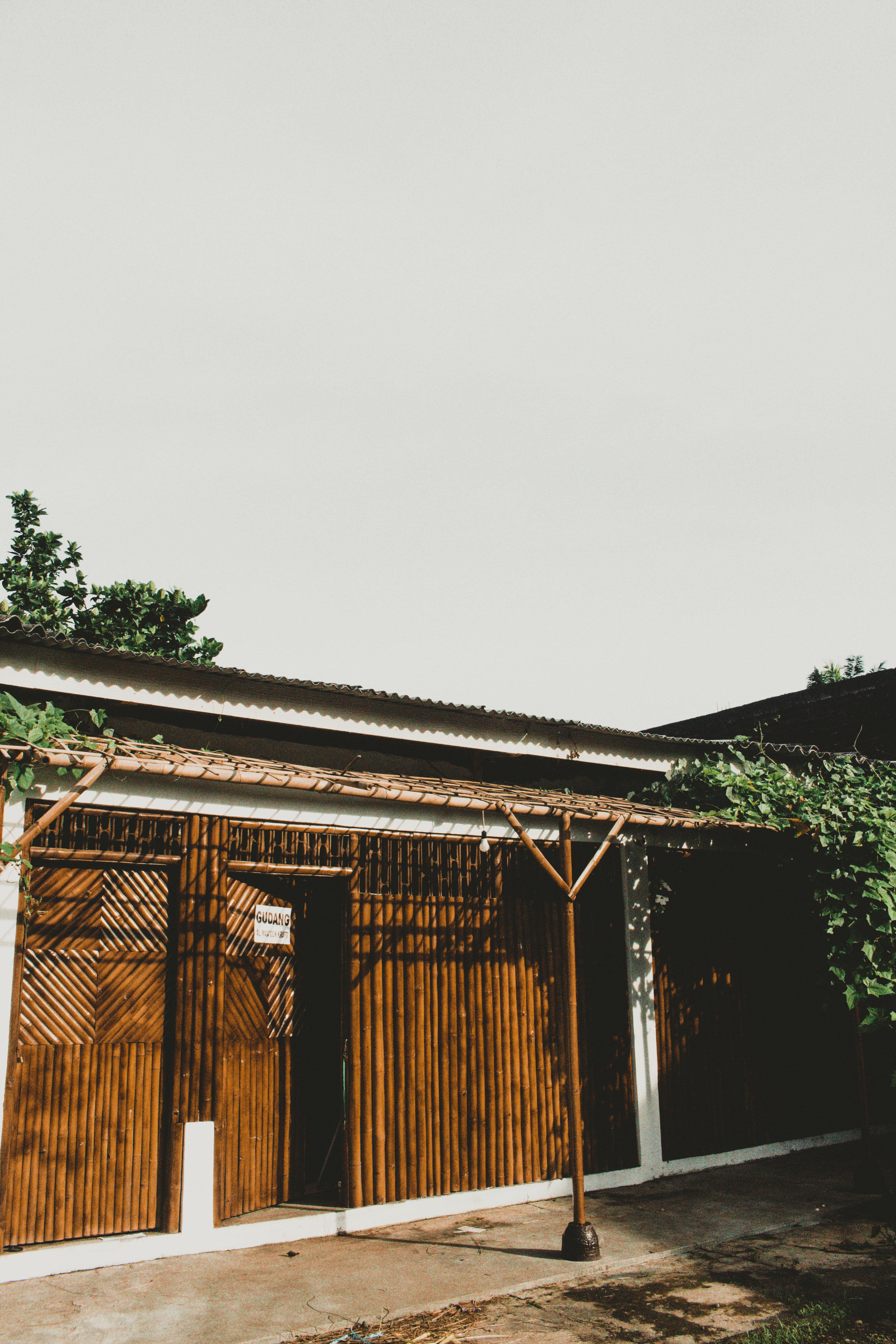
According to one article, in response to a series of devastating earthquakes in Indonesia in 2018, local authorities worked with global companies to design and to develop earthquake-resilient homes in Lombok. These homes relied on the use of indigenous materials, local knowledge and renewable resources–bamboo, knowledge transfer and upskilling, collaborating between local skill and non-skilled labor, incorporated the needs of the community, and included workshops to train others.
As we think about reimagining and rebuilding the structures that govern and operationalize work in our current globalizing creative economy we need to carefully think through the elements that make up our foundation.
What is the foundation for us as individuals and nations as we reimagine a better world? How shall we preserve “structural integrity”–whatever that looks like for a given context?
Villages were flattened with bricks and rubble scattered all around, in many cases the building foundations were all that remained. This was not an unusually powerful earthquake for the region, but lack of reinforcement in the buildings meant the damage, and consequential loss of life, was far greater than it should have been. What I found even more disturbing was that communities had already started rebuilding with the same absence of structural integrity that had existed in the destroyed buildings!” Marcin Dawydzik
https://uk.ramboll.com/projects/ruk/lombok_bamboo_housing
As we look forward as people and as nations, we heed the call to “Make no mistake, our best days still lie ahead.” Additionally, we need to look back and look deep within, to a future anchored in the hearts and minds of our collective conscious as a people created and thereby creative. It is here we need healing and creativity more now than ever before.

