“Wait! Yes, but what am I expected to do in the meanwhile?”
Here are three scenarios:
The idea of course is to wait, patiently. The image that comes to mind is of a strand of rope or thread under pressure when being stretched or pulled from either end. Waiting patiently is about endurance; it is about maintaining your essential composure to remain in-tension, optimally, under duress. Waiting patiently does not necessarily mean taking or remaining in control of a situation, in fact it may often mean quite the opposite. Waiting patiently builds strength and capacity for resilience.
Waiting as an active posture implies looking eagerly for a particular or specific outcome, as a person stands in a witness box awaiting a fair trial, for justice to prevail; it includes hoping for the best possible resolution without giving up.
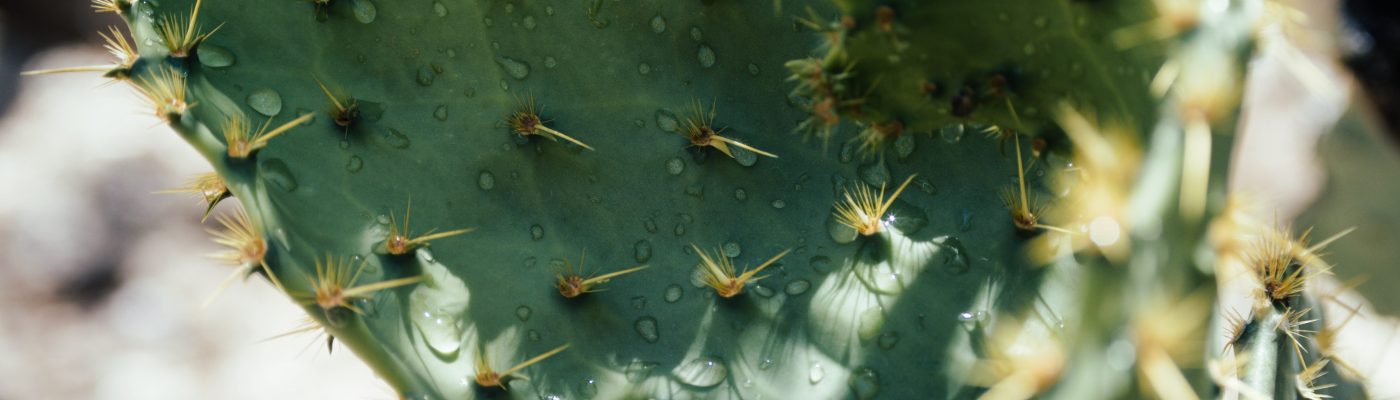
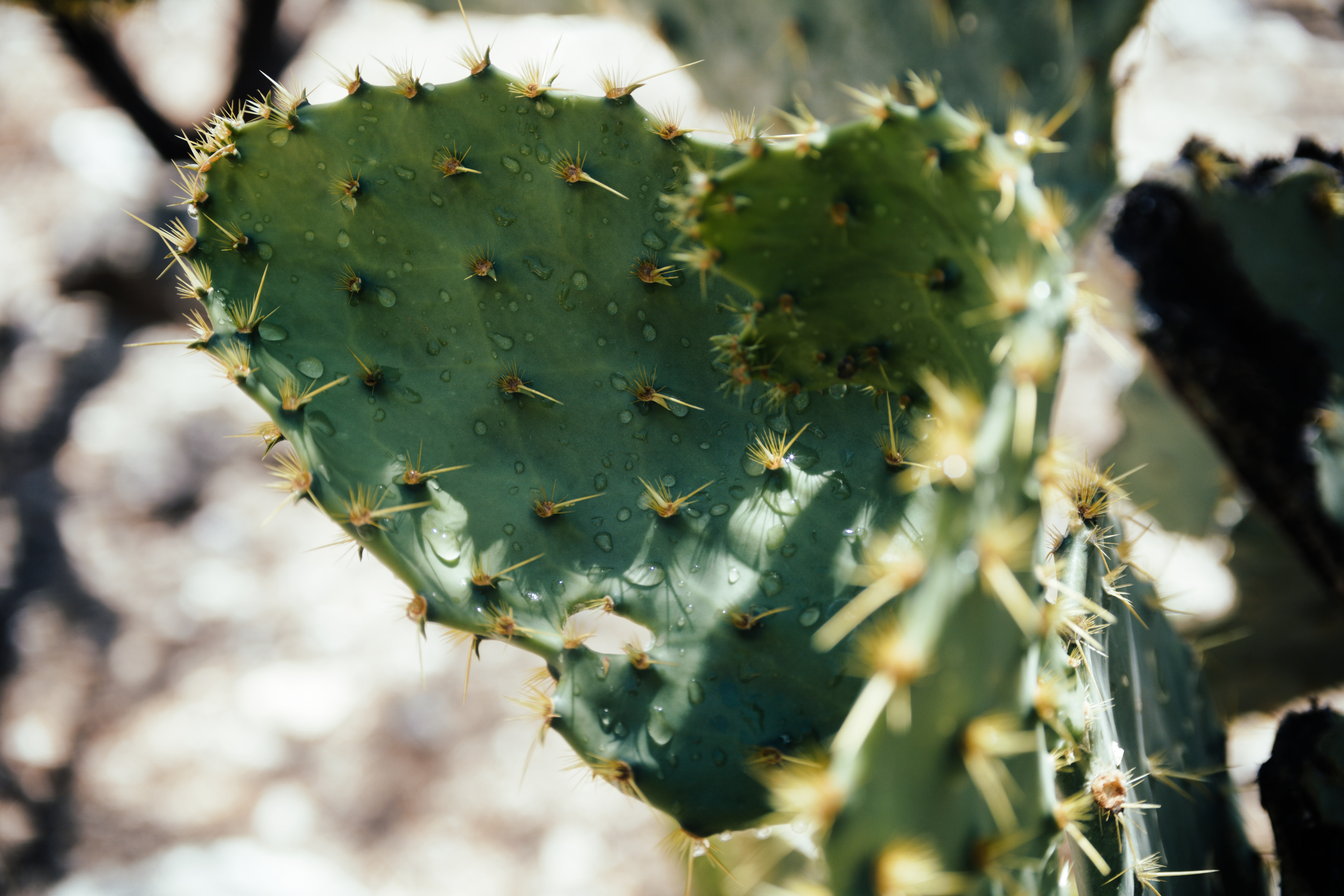
Lastly, waiting is like dew on the grass–here for now, but gone as the day progresses. Dew plays a critical role in the health and resilience of the environmental ecosystem. Dew helps some types of plants to survive through drought conditions. Dew creates a protective layer on leaves, helping plants retain moisture. Dew helps to cool the plant on hot days—much like sweat works on the human body. Some desert plants absorb dew as a source of food.
Consider,
What might we learn about how to wait from the above—rope, witness box, or dew? Consider this an invitation to wait patiently with others in a similar situation. To be creative is to be patient, to build resilience, to hope, and to nourish and give life to others as we wait.
**If you are a subscriber, I just want to say thank you! It’s encouraging. Let’s keep creating and not give up.
Photo by Tyler Quiring on Unsplash. Thank you!
References cited:
“What’s All This Dew Doing? Maybe More Than You Think.” July 10, 2019,

