
All of us are in a way “created to bloom.” But what sort of environment can help each one of us to thrive in accordance with the ways in which we are created to excel, to clearly differentiate our creativity from others, but also to seek proximity with others like ourselves in a way that is mutually enriching and satisfying for all?
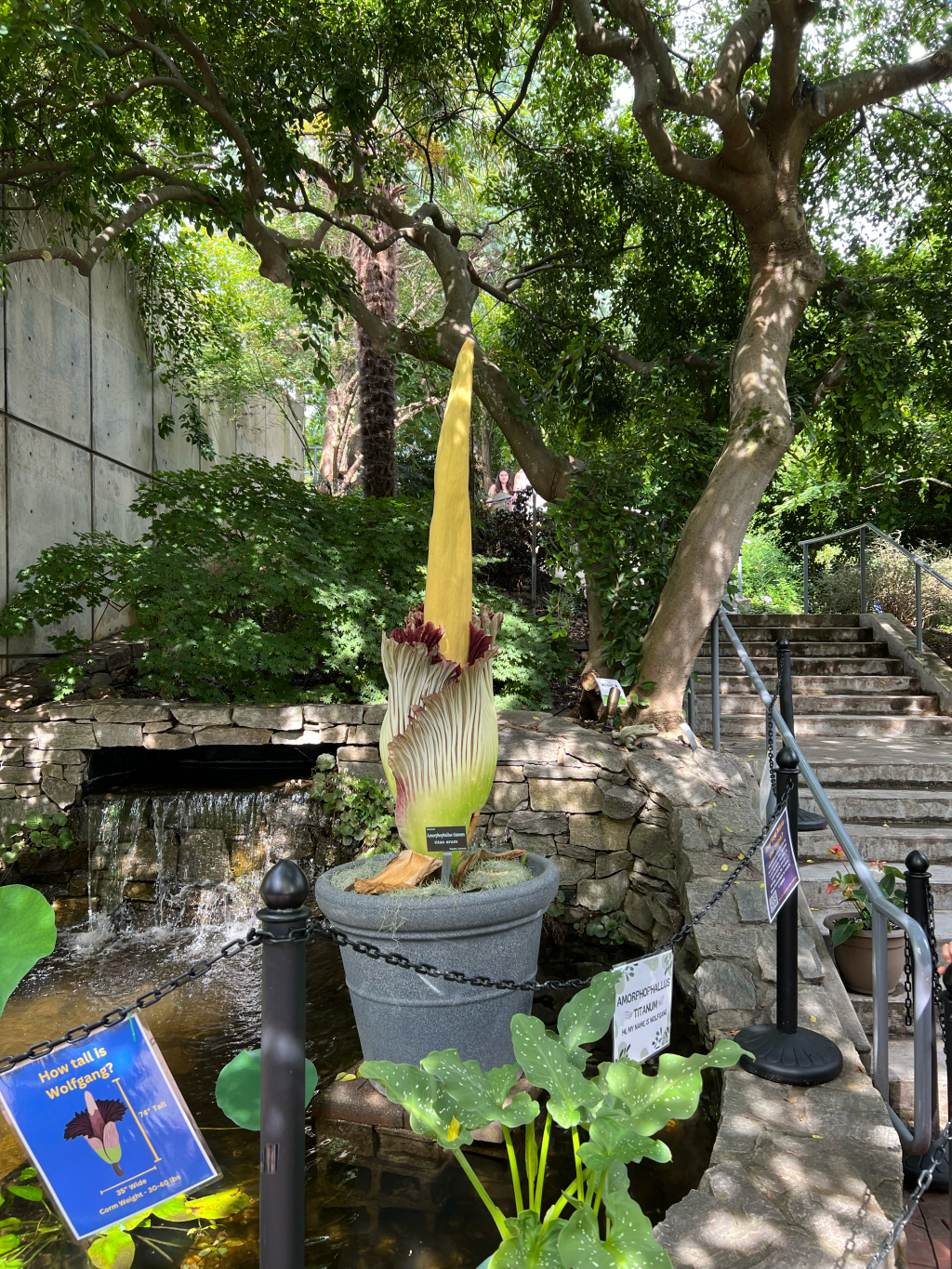
The Corpse flower blooms once in seven years. During its bloom it gives out a “stink” that attracts flies and other insects. In the years that the plant does not flower, it produces a single leaf stalk. The plant goes through several leaf cycles before it stores enough energy to flower once again. Read more.
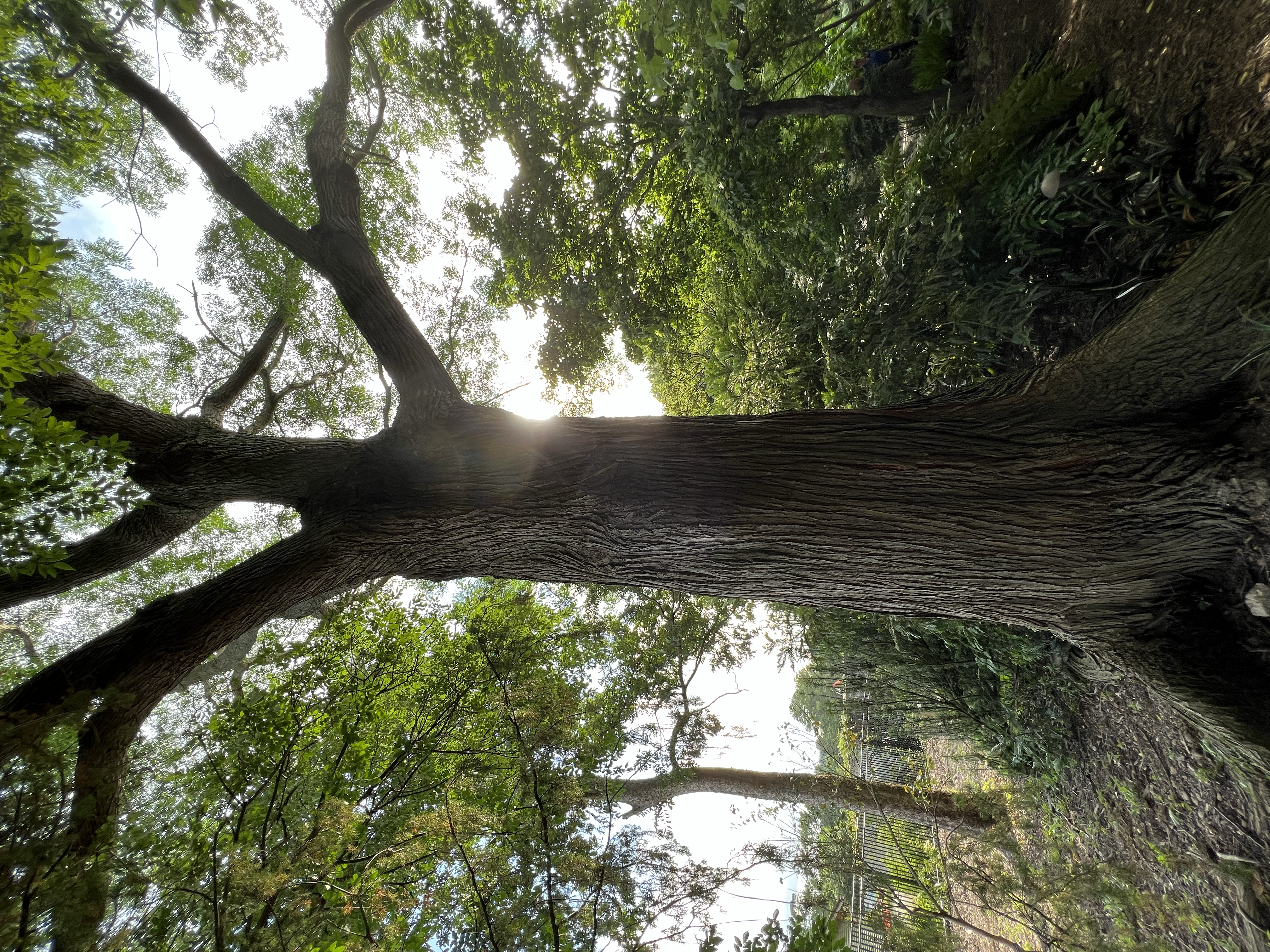
The phrase “garden-variety” took on an almost spiritual meaning for me this past weekend. I had the chance to visit the arboretum in town—a dedicated space for featuring a variety of plants, often for scientific study, inspire learning, and to develop people’s capacities for nature care. Here are some thoughts:
I don’t see myself as a “garden” or “plant” person. Yet, I felt overcome by the rich variety of plants and trees. Beauty; but in a way that did not fit into my stereotyped aesthetic categories of what properly should or should not constitute beauty. What if there may be something more to beauty than the cultural construction of aesthetic categories we typically assume? I don’t say this to make it hard to understand, but to appeal to something very basic in our human propensity for perceiving and participating in beauty that defies and perhaps even goes beyond our common human logic of what should properly constitute beauty.
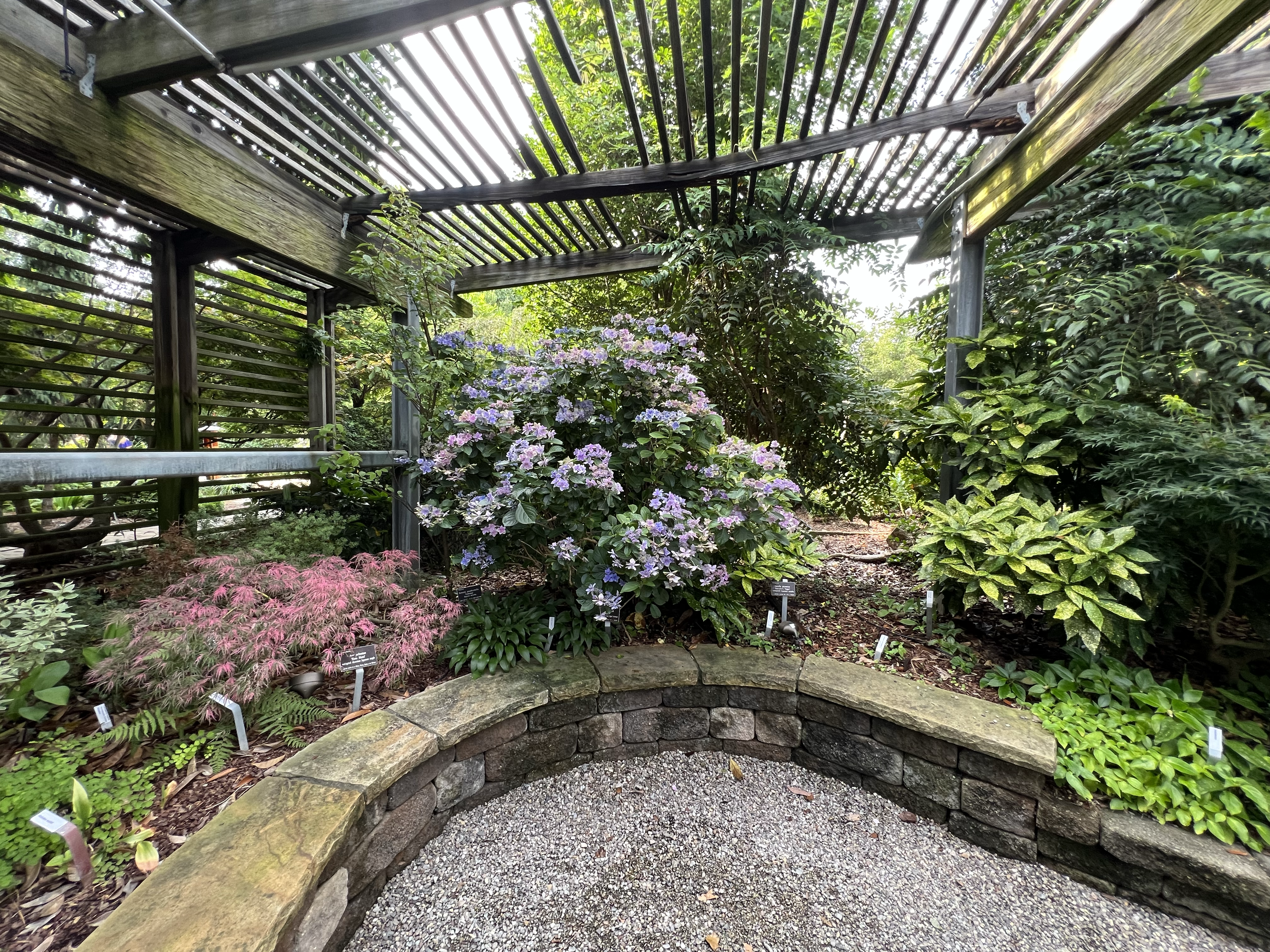
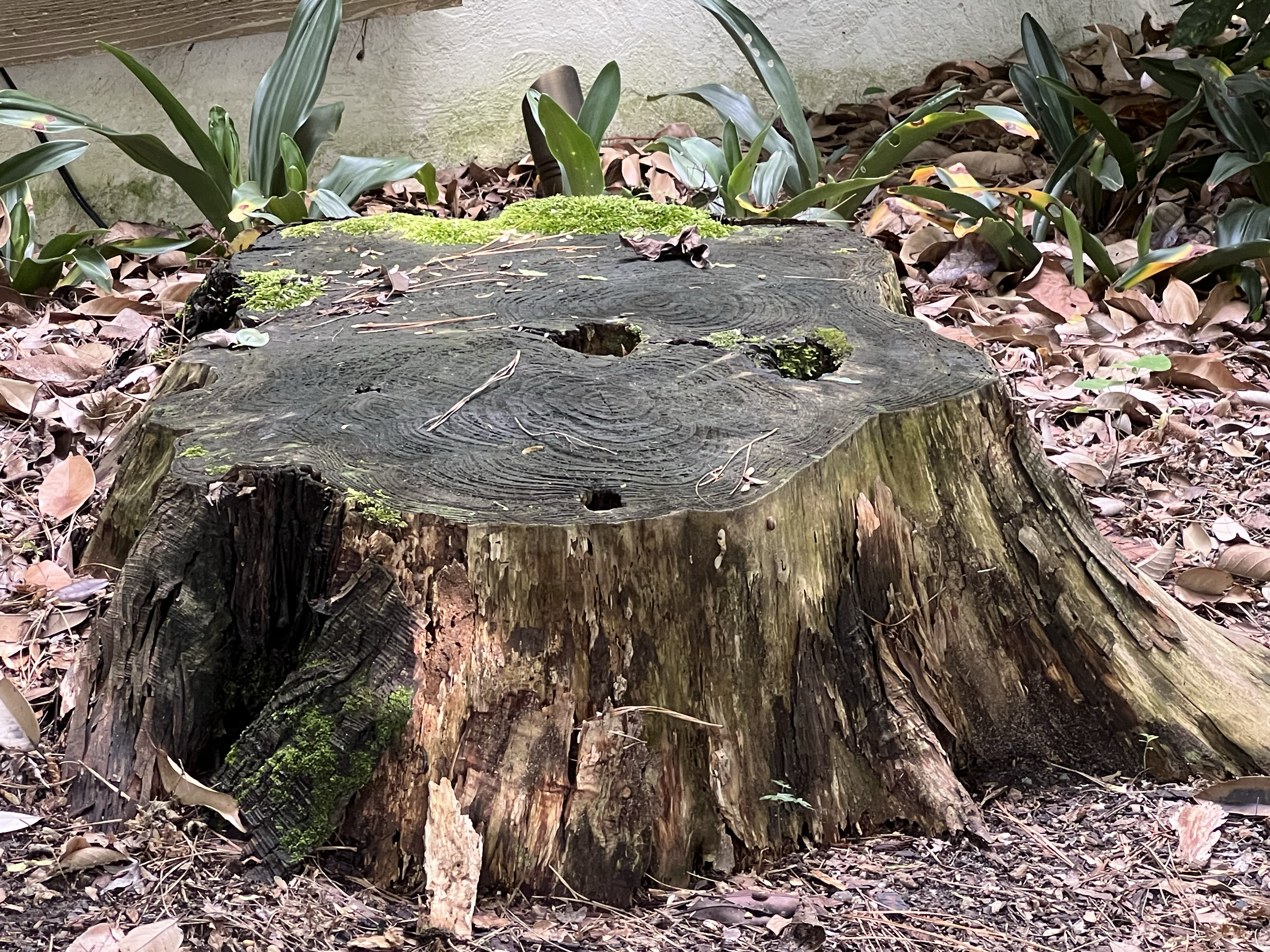
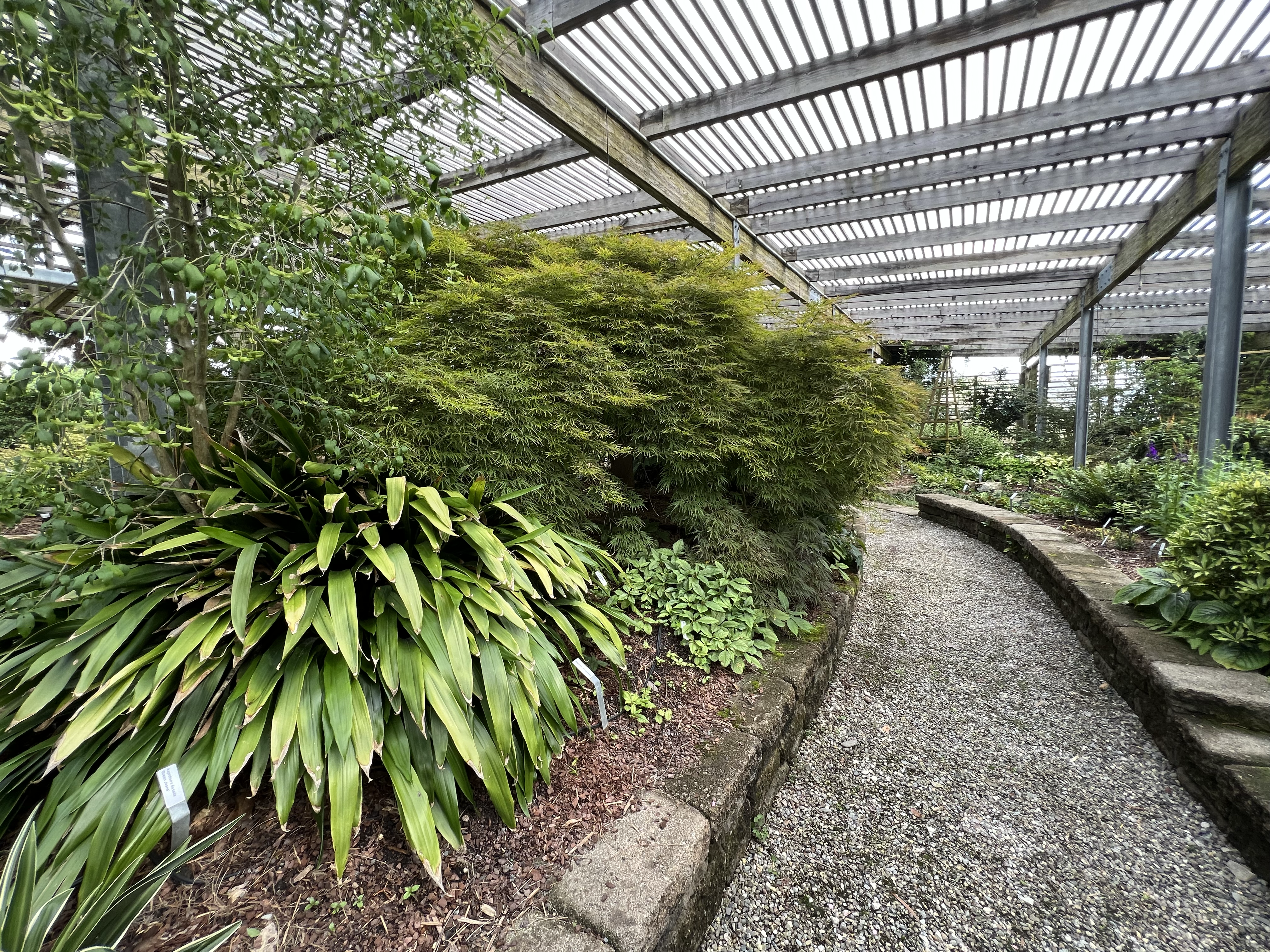
The garden-variety diversity is intentional. The phrase, “random intentionality” helps to convey the sort of predictability and planning of the garden but also points to a certain patterning in the mind of the architect of the space. It strikes me that the Gardner and the Architecture might indeed have been working together from the beginning to ensure what is needed for a thriving diversity. Further, it’s hard to imagine the central role of the gardeners who tend to the garden, to ensure the nurture and sustenance of all the plants in the garden, including even killing off the weeds that stifle and suffocate the plants from thriving. The kind of care and dedication it must take to maintain lush growth is something to think about.
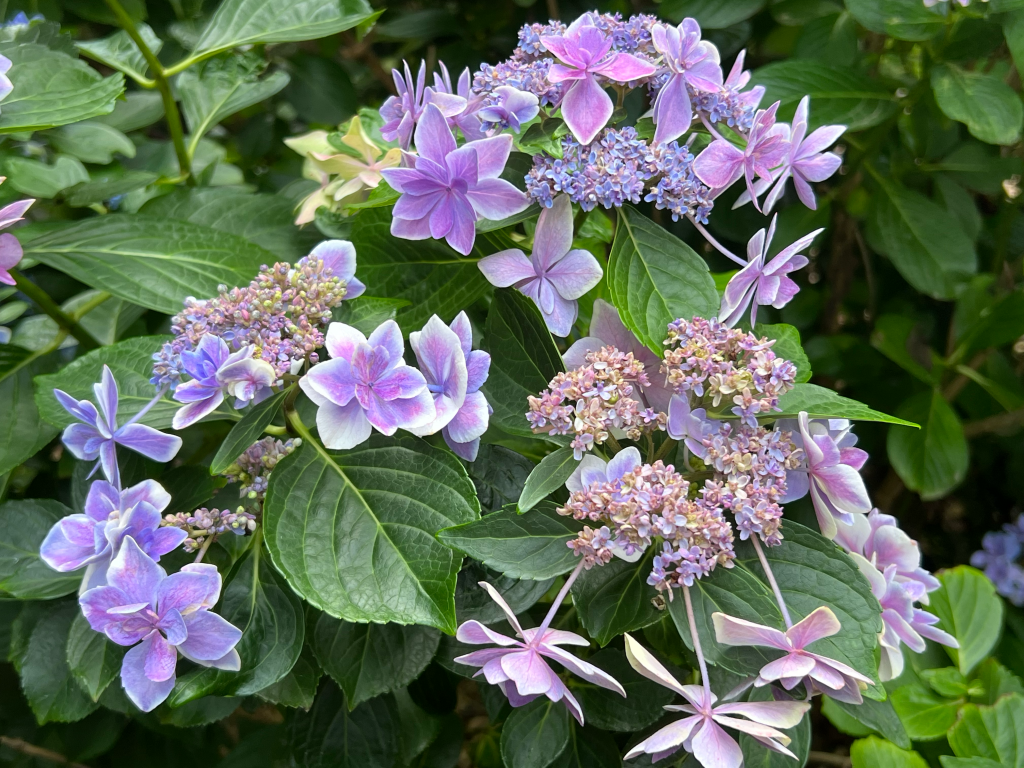
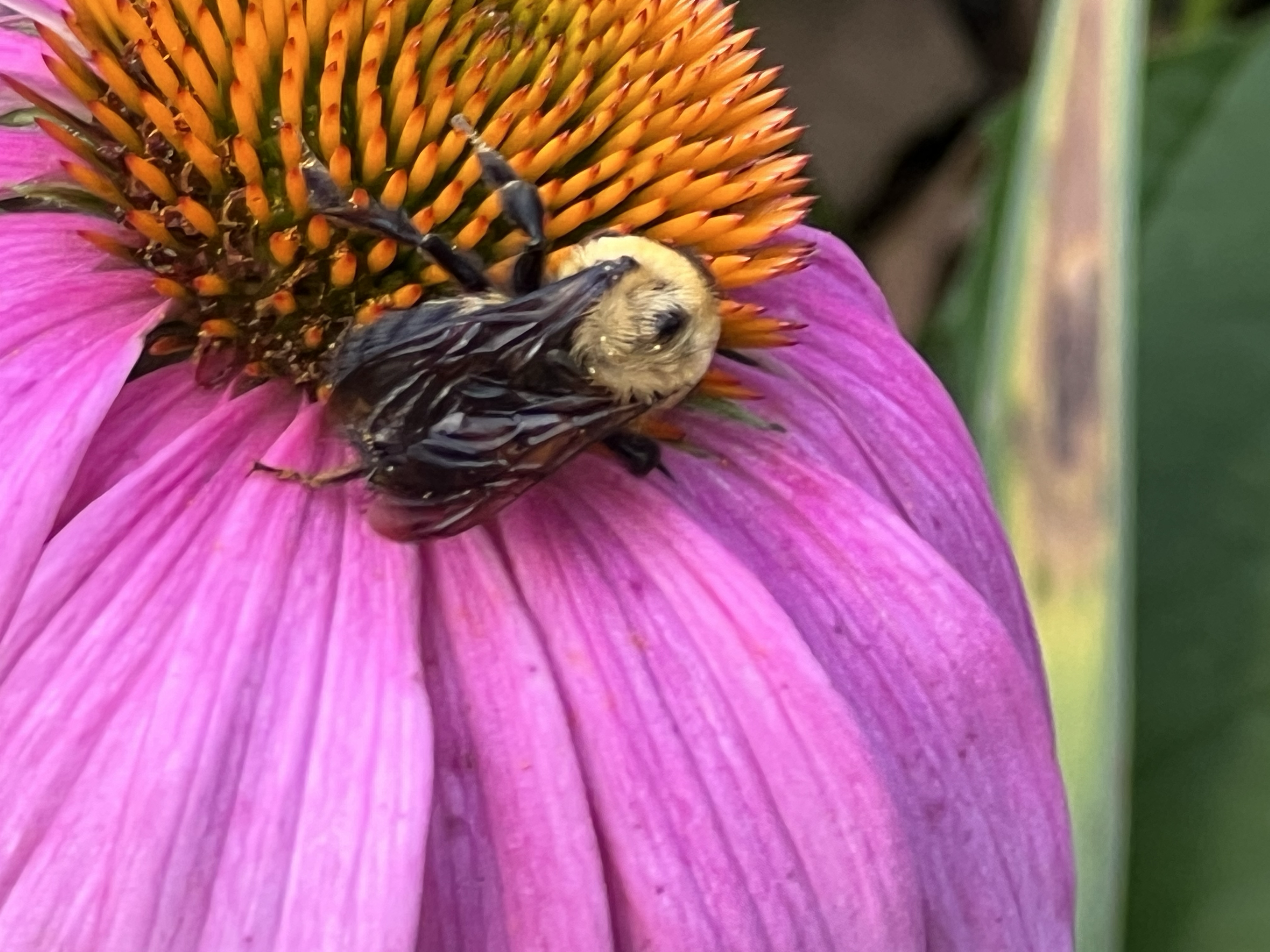
The diversity of shapes, colors, and features on just this single plan is astounding! 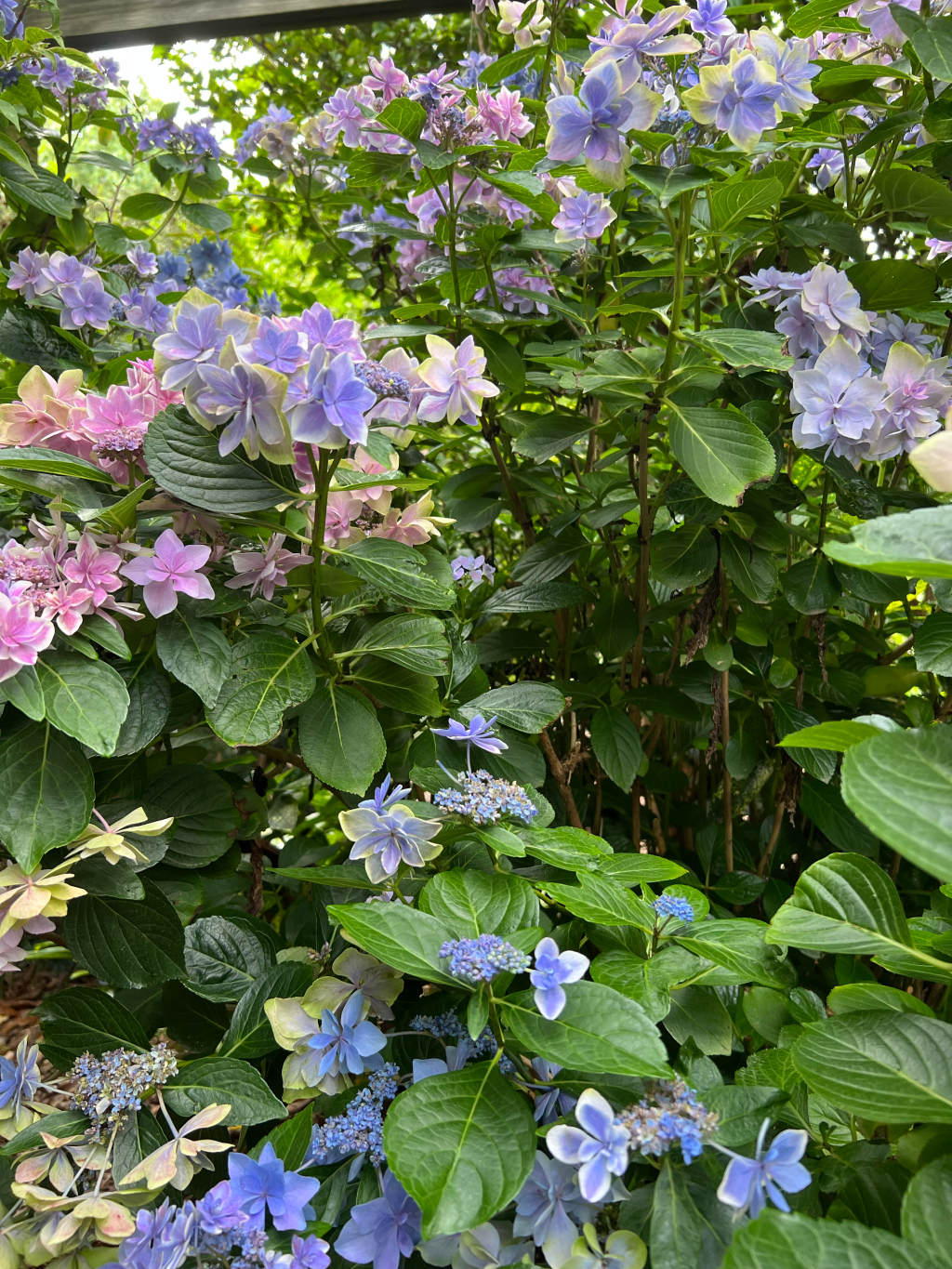
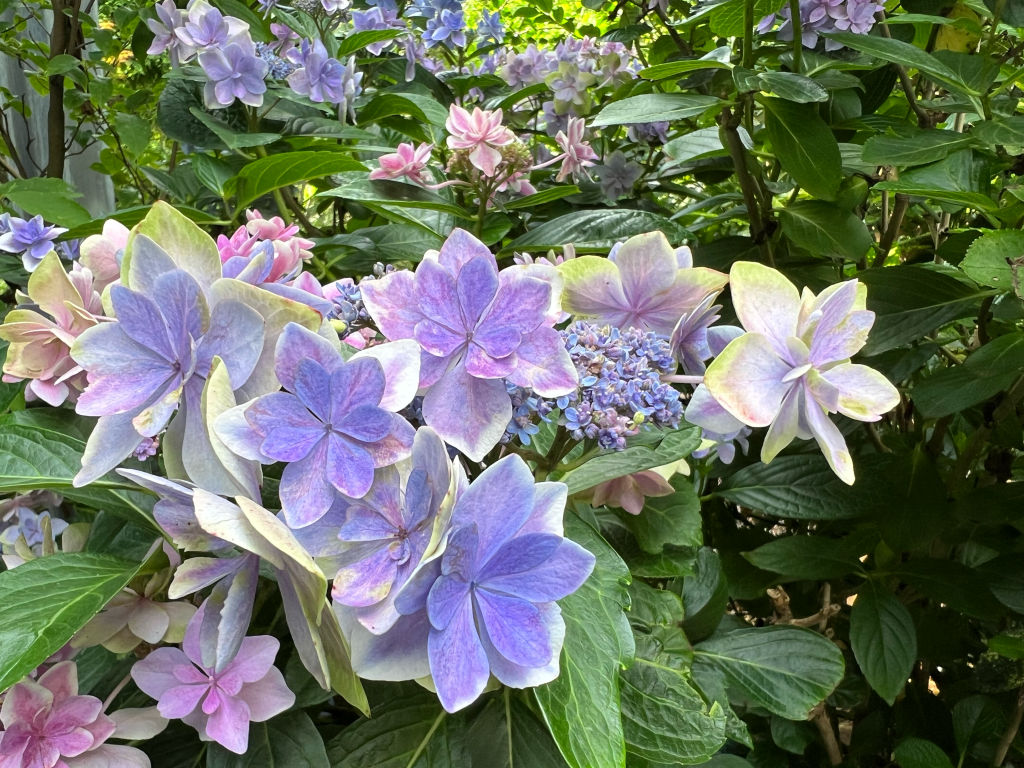

The garden, in and of itself in terms of it diverse and lush foliage, along with the visitors’ participation, all point to the collaborative and unitive dimension of the creative process of a well-watered garden. The construction of the space, the admiration of visitors, the bursting forth display of plant life-cycles, which in turn draw insects and master-pollinators (bees:)—all marks of a thriving ecosystem for creativity that inspire ongoing sustainability in a way that is delightful and a joy to our personal and collective soul.
Consider,
How might our individual and collective creative life be more like a well-watered garden?
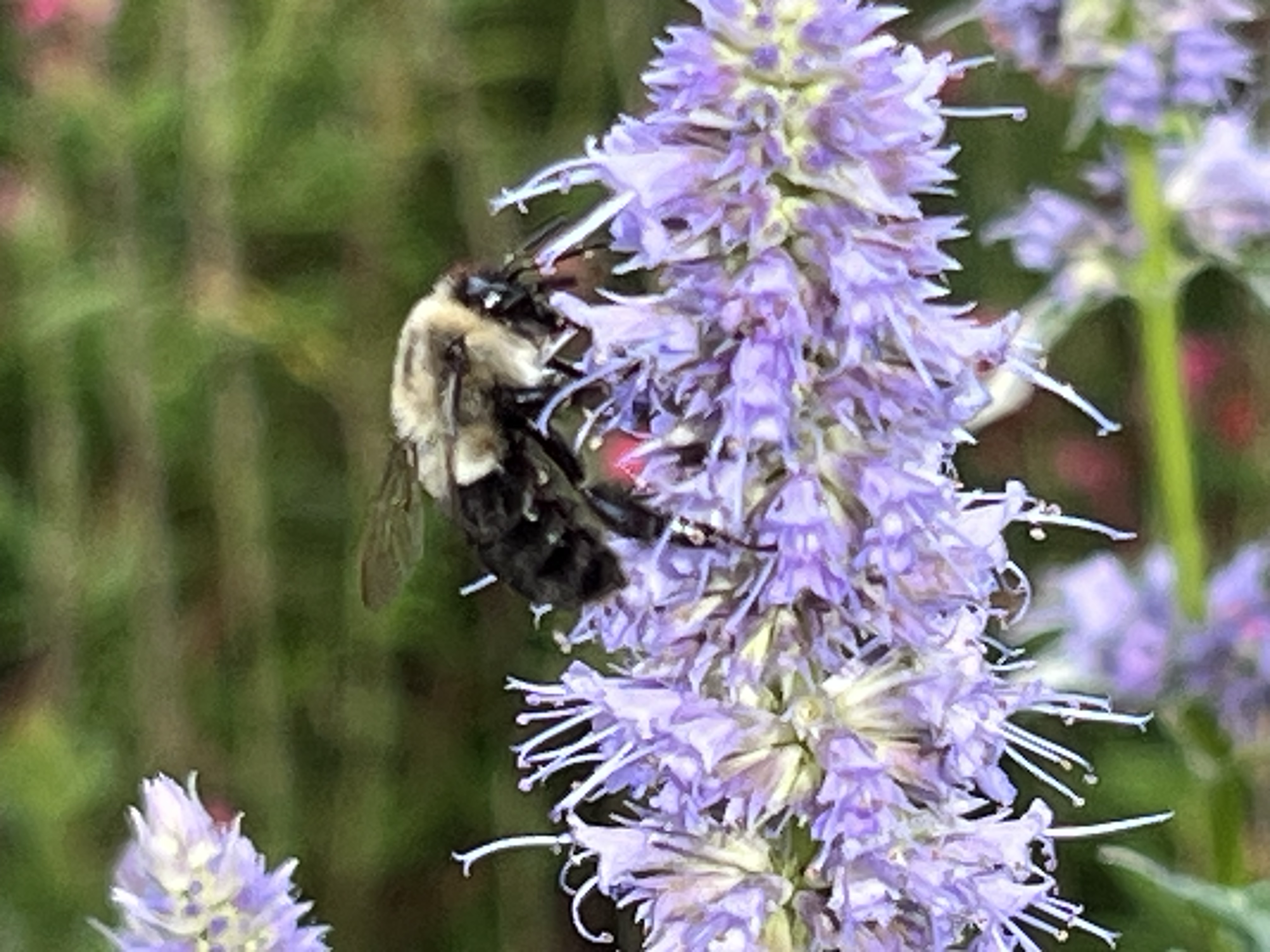


TRUE DAT – Paul Dirac said, “Pick a flower and you move the furthest star.” Human nature can harmoniously line up with the laws of Nature to manifest events that affect not only everything on Earth but the entire Universe.
Yes, it sure can. Thank you!